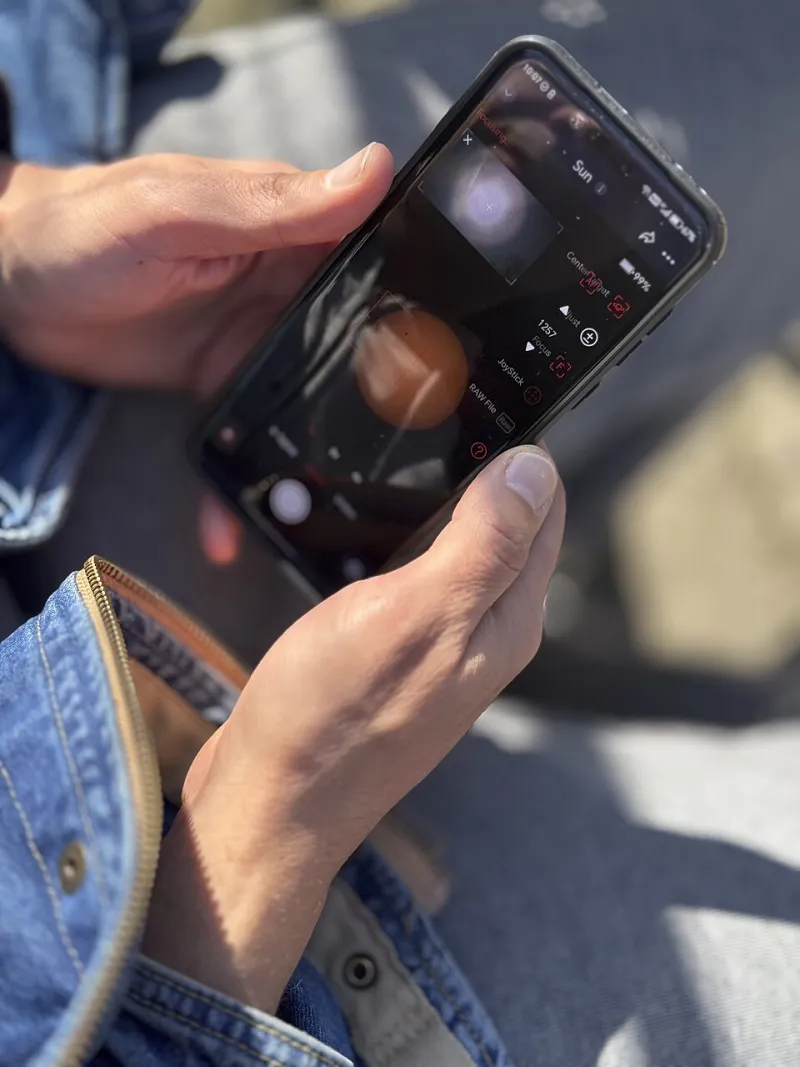
The Lag Tax: Why Your Live Bet Is Already Old News

Photo by Photo by Fred Rivett on Unsplash on Unsplash
Live betting has a magic trick problem. The screen says the game is happening now. The odds say something is happening next. And your bet slip says you have already reacted to a moment that may have passed. That is the lag tax: the quiet cost of betting on pictures that are seconds behind the data feed the bookie is using. It is not a conspiracy. It is physics, broadcast rights, encoding, buffering, and the simple fact that a live stream is a chain of delays. But if you punt in-play, you need to know the chain exists.
The picture is not the market
When you watch free-to-air sport, the signal is usually quick but not instant. Pay TV and streaming apps add their own hops. Mobile apps can add more. Meanwhile, in-play markets are driven by data feeds, courtsiders, and trading teams watching multiple sources. The market can move before your eyes see the reason. A try, a wicket, a 50-metre penalty, a horse jumping poorly — the price can flip while your stream is still showing the build-up. In 2026, with more sport split across apps and rights deals, the gap is not uniform. It changes by sport, broadcaster, device, and even your home internet. That means there is no single 'live' experience. There is your live experience, and it is probably a little late.
Free-to-air, pay TV, and app streams all have different clocks
Free-to-air is often the closest to real time, but not perfect. Digital TV has encoding delays. Pay TV can be quick, but set-top boxes and channel switching add friction. Streaming apps are convenient, but they buffer, adapt quality, and travel through content delivery networks. On a phone, a notification can arrive before the picture. On a smart TV, the app might be a few seconds behind the aerial. For a live punter, this matters because the market is not waiting for your screen. If you are watching a stream that is three seconds behind, and the trader is watching a feed that is one second behind, you are already late. If the market moves on a data ping, you are later still. You do not need to know the exact millisecond. You need to accept that your eyes are not the fastest source in the room.
Why this feels unfair — and why it is not going away
Live betting is marketed as reaction. See it, bet it. But the product is really a race between your perception and the market's information. Broadcast delay is not a bug in that race. It is part of the track. The bookie's feed is not your feed. The odds are not a public service announcement. They are a price set by people who can see the data before you see the picture. That does not mean every live bet is doomed. It means the edge you think you have from watching must be real enough to survive the lag. If your plan is to bet the try as soon as you see it, the lag tax is already eating your price. If your plan is to bet a market that does not depend on split-second visuals, the lag matters less. The first step is honest: stop pretending your stream is live.
Build a lag-aware live routine
Start by measuring your own delay. You can do this without fancy gear. Watch a game with a radio call or a text-based score app open. Note how long after the app updates you see the event. Do it a few times across free-to-air, pay TV, and your main streaming app. You are not looking for a perfect number. You are looking for a personal lag profile. Then use it.
- Pick your feed before you pick your bet. If you are on a slower stream, avoid markets that react to single moments.
- Pre-commit to triggers. Decide what you will bet before the game starts, so you are not chasing a picture that is already old.
- Use bet slip timestamps. If the odds look too good after a big moment, check whether the market has already moved and your stream is catching up.
- Watch the odds, not just the action. A price that has not moved after a clear event can be a sign your feed is behind, or the market is waiting on confirmation.
- Cap live stakes separately. Live betting is a different game with a different risk profile. Do not let a lag-driven loss eat your pre-match bankroll.
- Log your live bets. Note the sport, feed, and whether you felt early or late. Patterns show up fast.
The lag tax is real, but it is not the whole game
None of this means live betting is a mug's game. It means live betting is not the pure reaction game it looks like. The punter who understands delay can still find value in markets that are slower to move, in sports with stoppages, or in situations where the crowd and the data are both noisy. The punter who ignores delay is paying a tax without knowing the rate. In 2026, with more streams and more in-play products than ever, the smart move is not to swear off live betting. It is to build a routine that assumes the picture is behind the bet. Hit big if you can. But do not hit late by accident.